 How-to
How to Care for Skin After Microneedling: Day-by-Day
Table of Contents
- Microneedling Aftercare Day by Day: The First 24 Hours
- Gentle Cleansing and Keeping Treated Skin Clean
- What to Put on Skin After Microneedling
- What to Avoid After Microneedling
- How Long Does Redness Last After Microneedling?
- Sun Protection, Makeup, Exercise, and Warning Signs
- Aftercare by Treatment Depth and Skin Type
- Conclusion
- Frequently Asked Questions
Last Updated: October 18, 2026
Microneedling Aftercare Day by Day: The First 24 Hours
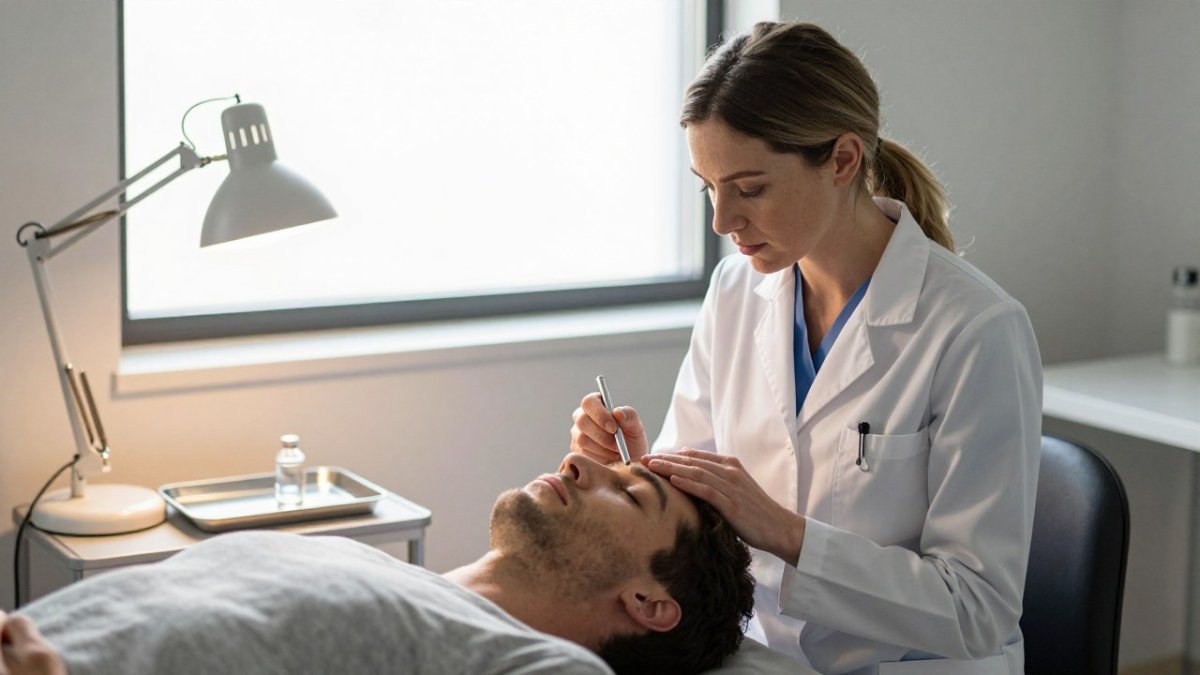
Learning how to care for skin after microneedling starts with one simple rule: treat your skin like a fresh wound for the first 24 hours, then like sensitive skin for the next week. Knowing how to care for skin after microneedling is the difference between a smooth recovery and a week of irritation. At Coastal Aesthetics NY, our Nurse Practitioners walk every patient through this timeline before they leave the treatment room, because the choices you make in the first day shape your final results.
Microneedling is a treatment that creates controlled micro-injuries in the skin to trigger collagen production. The skin barrier is temporarily open, which is why aftercare matters so much.
Here is the honest version most guides skip: your skin is not "damaged," but it is vulnerable. Below, we break down exactly what to do, hour by hour.
Hours 0-4: Right After Your Appointment
Your skin will feel warm, tight, and tender. Some redness is normal. Leave it alone.
- Skip makeup and skincare for the first few hours
- Do not touch, rub, or pick at treated skin
- Avoid sweating and heat, including hot showers
- Keep your head elevated if you can
If your provider applied a topical numbing cream, wait until sensation returns before applying anything.
Hours 4-24: Settling In
Redness usually peaks in this window. You can gently cleanse if your provider approves it.
- Wash with lukewarm water and a mild cleanser
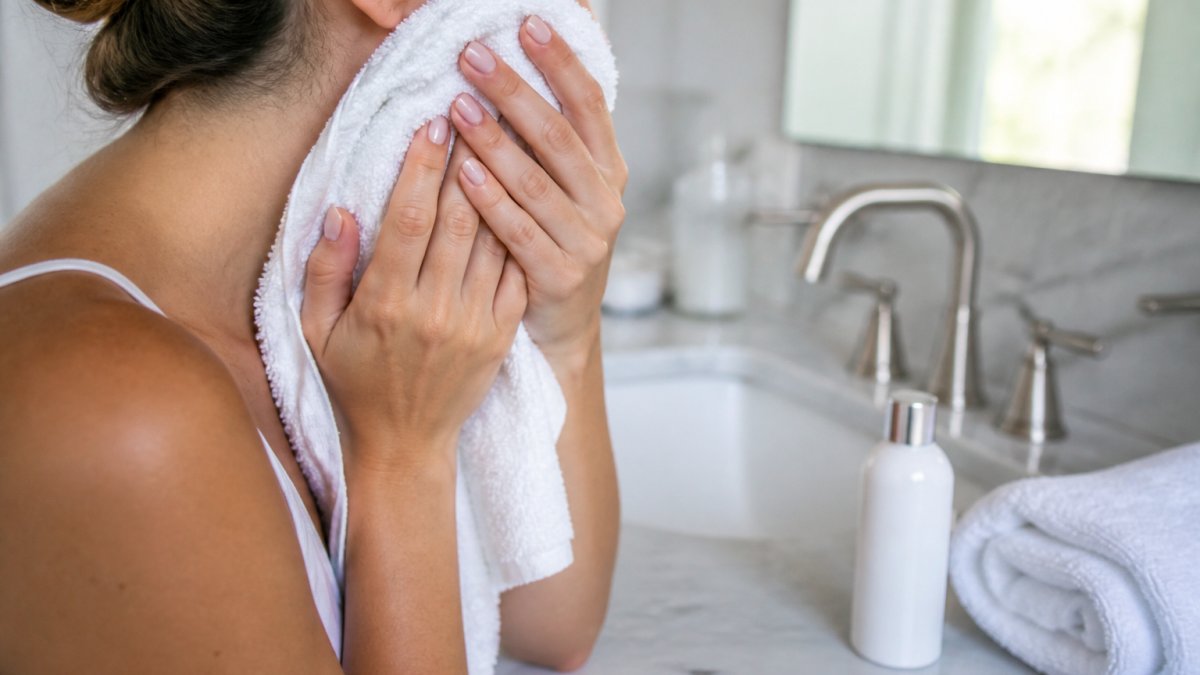
- Pat dry with a clean towel, never rub
- Apply a soothing moisturizer if cleared
- Avoid direct sun exposure entirely
Gentle Cleansing and Keeping Treated Skin Clean
Clean skin heals faster. Gentle cleansing is the backbone of post-treatment care.
Use a mild, fragrance-free cleanser. Avoid anything with scrubs, beads, or acids. Wash twice daily and after sweating.
Keep these rules in mind:
- Use lukewarm water, not hot
- Pat, don't rub, when drying
- Never scrub or use a washcloth
- Clean your phone screen and change pillowcases often
The American Academy of Dermatology's skincare guidance recommends fragrance-free, gentle products for compromised skin barriers, which fits the days right after treatment.
What to Put on Skin After Microneedling
Less is more. Stick to a short, simple routine built around hydration and barrier support.
- A gentle, non-foaming cleanser
- A hydrating serum like hyaluronic acid
- A bland moisturizer
- Broad-spectrum sunscreen once skin has settled
Skip anything active. No vitamin C, no retinoids, no exfoliants until your provider clears you, usually after a few days to a week.
Moisturizer and Barrier Support
Your skin barrier is temporarily weakened, so moisturizer does the heavy lifting. Look for ceramides, hyaluronic acid, and glycerin. A soothing gel can calm redness. Avoid heavy fragrances and essential oils.
What to Avoid After Microneedling
The list matters as much as the routine. Here is what to skip, and for how long.
| Avoid This | How Long | Why |
|---|---|---|
| Makeup | 24 hours | Clogs open skin, raises irritation risk |
| Retinoids and retinol | 3-7 days | Too strong for healing skin |
| Exfoliants and acids | 5-7 days | Strip the fragile barrier |
| Intense exercise and sweating | 24-48 hours | Heat and sweat trigger redness |
| Sun exposure and tanning | Until fully healed | Raises pigmentation risk |
| Waxing and hair removal | 1-2 weeks | Can tear treated skin |
Retinoids, Exfoliants, and Acids
Retinoids, exfoliants, and acids are the big three to pause. These ingredients speed cell turnover, which is the opposite of what healing skin needs. Restart them slowly, one at a time, once redness and tenderness are gone.
How Long Does Redness Last After Microneedling?
Redness duration depends on needle depth, treatment area, and how aggressively the skin was treated. Most practitioners find that superficial treatments calm within 24 to 48 hours, standard facial treatments peak around day two and fade by day three or four, and deeper treatments can leave visible pinkness for five to seven days. Tenderness and flaking often outlast the redness by a few days.
Here is a practical day-by-day recovery timeline you can use to judge whether you are on track.
| Day | What Is Typical | What to Do |
|---|---|---|
| Treatment day (hours 0-24) | Warmth, tightness, uniform pink to red flush, mild swelling | Leave skin alone, cleanse gently if cleared, moisturize, avoid sun and sweat |
| Day 1-2 | Redness at peak, slight tenderness, skin feels dry | Gentle cleanser, bland moisturizer, broad-spectrum SPF 30+ if skin is not broken |
| Day 3-4 | Redness fading to pink, early flaking possible | Keep moisturizing, do not pick or scrub, continue SPF |
| Day 5-7 | Light flaking or dryness, most redness gone | Resume normal cleansing, consider restarting one active if cleared |
| Week 2 | Skin looks settled, collagen remodeling continues | Gradually reintroduce retinoids or acids one at a time |
Flaking and peeling are normal as the skin renews. Do not pick at it, and do not use a scrub to speed it up. Picking is one of the most common causes of prolonged irritation and post-treatment pigmentation.
Warning Signs and When to Contact a Clinician
Expected recovery is uncomfortable but predictable: redness that improves, tenderness that eases, and flaking that resolves. Contact your provider promptly if you see any of the following instead:
- Redness or swelling that worsens after day three rather than improving
- Spreading warmth, streaking, or a red area that expands beyond the treated zone
- Pus, weeping, or a yellow crust
- Fever, chills, or feeling generally unwell
- Increasing pain instead of decreasing pain
- Blistering, hives, or a rash that suggests an allergic reaction
- Darkening or new brown patches in the treated area
- Cold sores developing around the mouth if you have a history of them
These are not wait-and-see symptoms. A provider can distinguish normal healing from a possible infection or contact reaction and tell you whether to pause products or seek care. If you have a history of cold sores, ask before treatment about antiviral prevention, because the procedure can trigger an outbreak.
Sun Protection, Makeup, Exercise, and Warning Signs
Each of these decisions has a different clock, and getting the timing right protects your results.
Sun Protection
Sunscreen is non-negotiable once your skin has settled, and it is the single most important product for protecting against post-treatment pigmentation. Use a broad-spectrum SPF 30 or higher, and reapply every two hours outdoors. The Skin Cancer Foundation's sun protection guidance explains why daily SPF matters for healing and long-term skin health.
- On treatment day, stay out of direct sun entirely and use a hat and shade rather than relying on sunscreen on broken skin.
- From day one onward, once skin is not broken, apply a gentle mineral or fragrance-free sunscreen.
- Avoid tanning beds and intentional tanning until the skin is fully healed.
- Reapply after sweating or swimming, and do not rely on makeup with SPF as your only protection.
Makeup
Makeup can usually resume after 24 hours if the skin is not broken and there is no oozing. Choose clean brushes or fresh applicators, avoid heavy foundation on still-red areas, and remove makeup gently with a mild cleanser rather than a wipe or scrub. If you break out or sting after applying makeup, wait another day or two.
Exercise, Sweat, and Heat
Wait 24 to 48 hours before intense exercise, saunas, steam rooms, hot yoga, and hot showers. Heat and sweat increase blood flow to treated skin and can worsen redness and swelling. Light walking is generally fine. When you return to exercise, cleanse gently afterward to remove sweat.
Ingredient-Level Product Guidance
Rather than thinking in broad categories, think about when each ingredient is appropriate:
- Hyaluronic acid: appropriate immediately if cleared, because it hydrates without exfoliating.
- Ceramides and glycerin: appropriate immediately to support the barrier.
- Niacinamide: often tolerated after a few days, but introduce it alone to judge tolerance.
- Vitamin C: generally wait until redness and flaking resolve, then introduce a gentle form and watch for stinging.
- Retinoids and retinol: wait at least three to seven days, then restart two to three nights per week before returning to nightly use.
- Exfoliants and acids (AHA, BHA): wait five to seven days and reintroduce slowly.
- Fragrance, essential oils, and physical scrubs: avoid until fully healed.
Aftercare by Treatment Depth and Skin Type
Aftercare is not one-size-fits-all. Depth and skin type change the timeline.
- Light or superficial treatments: faster recovery, actives back in a few days
- Deeper treatments: longer redness, more flaking, slower return to actives
- Sensitive skin: gentler products, longer waits
- Acne-prone skin: watch for breakouts, keep routine simple
- Darker skin tones: extra sun protection to lower pigmentation risk
Your provider should tailor the plan to your skin. At Coastal Aesthetics NY, our board-certified Nurse Practitioners build aftercare around each patient's skin health and treatment depth.
Conclusion
Recovery from microneedling comes down to patience and a simple routine: gentle cleansing, barrier support, sun protection, and time. Most irritation comes from doing too much, too soon. If you want a personalized aftercare plan built around your skin, our Nurse Practitioner-led team at Coastal Aesthetics NY is here to guide you from consultation through recovery. Book your consultation and get a plan made for your skin.
Frequently Asked Questions
What should I put on my skin after microneedling?
Stick to a short list for the first 24 hours: a gentle, fragrance-free cleanser, a plain moisturizer, and a soothing gel if your provider recommends one. Hydrating serums with hyaluronic acid are usually fine once skin has settled. Skip retinoids, exfoliants, acids, vitamin C, and anything with fragrance or active ingredients until your provider clears you, often around two to three days. When in doubt, ask before applying.
How long does redness last after microneedling?
Most people see redness fade within 24 to 48 hours, though sensitivity and tenderness can linger for two to three days. Deeper treatments, or higher-depth device settings, can leave redness visible for longer, sometimes up to a week. If redness worsens after day two, spreads, or comes with swelling, warmth, or fever, contact your provider promptly rather than waiting it out.
When can I wear makeup after microneedling?
Wait at least 24 hours before applying makeup, and longer if your skin still feels tender or looks red. Treated skin has tiny channels that need time to close, and makeup can introduce bacteria and irritation. When you do resume, use clean brushes and gentle, non-comedogenic products, and remove everything thoroughly at the end of the day with a mild cleanser.
What should I avoid after microneedling?
For the first 24 to 48 hours, avoid strenuous exercise and heavy sweating, hot tubs, saunas, steam rooms, and long hot showers. Skip waxing, threading, and other skin treatments for at least two weeks. Hold off on retinoids, exfoliants, acids, and vitamin C until your provider says it is safe. Limit alcohol for the first day, and keep sun exposure minimal, using broad-spectrum sunscreen with SPF 30 or higher once skin has healed enough to tolerate it.