 How-to
How to Find Acid Peels Near Me for Smoother Skin
Last Updated: October 26, 2026
Quick Summary
To find acid peels near me, prioritize providers by credentials, medical supervision, and a real skin assessment over convenience or the lowest advertised price. Match the provider to peel depth: estheticians typically perform superficial peels, while medium and deep peels belong in medical settings with physician or nurse practitioner oversight.
- Bring the same six questions to every consultation and compare written answers side by side.
- Superficial peels often involve mild redness and light flaking for a few days.
- Medium peels are typically spaced four to six weeks or more apart.
- Sun protection is the single most important habit after a peel.
- Do not prepay for a multi-session package before a consultation and skin assessment.
Table of Contents
- What Acid Peels Do and Who They Suit
- How to Choose a Qualified Provider for Acid Peels Near Me
- Chemical Peel Consultation Questions to Ask Before Booking
- Chemical Peel for Acne Scars: What to Expect
- Chemical Peel Recovery Time, Session by Session
- Chemical Peel Aftercare That Protects Your Results
- Risks, Skin Tone Considerations, and When to Seek Medical Advice
- Pricing, Session Planning, and Booking Your Peel
- Frequently Asked Questions
What Acid Peels Do and Who They Suit
Acid peels are professional chemical exfoliation treatments that remove damaged outer layers of skin to reveal smoother, more even-toned skin underneath. At Coastal Aesthetics, we approach every peel as a controlled, customized treatment rather than a one-size-fits-all facial.
The treatment suits adults bothered by dull skin, uneven texture, or early signs of aging. It is not right for everyone, though.
Peel Types, Acids, and Strength
Peels fall into three broad depth categories, and the acid chosen determines what the peel can realistically do:
- Superficial peels use alpha hydroxy acids like glycolic acid or lactic acid to refresh the surface. Downtime is minimal.
- Medium peels often rely on trichloroacetic acid (TCA) to reach deeper layers for pigmentation and fine lines.
- Deep peels are reserved for significant sun damage and require closer medical supervision and longer recovery.
Salicylic acid is a common choice for oily and acne-prone skin because it penetrates pores. Strength matters as much as the acid itself: a low-percentage glycolic peel and a high-percentage one behave very differently on the same skin.
Skin Concerns Peels Can Address
A professional peel can improve several concerns at once, which is why providers customize the formula rather than reaching for a standard solution:
- Dull skin and rough texture
- Uneven pigmentation and dark spots from sun damage
- Mild acne and clogged pores
Results build across sessions. One facial peel rarely transforms skin; a planned series does. We assess your skin type, tone, and goals before recommending anything, because the wrong peel strength on the wrong skin can cause irritation instead of improvement.
How to Choose a Qualified Provider for Acid Peels Near Me
The provider matters more than the peel itself. When searching for acid peels near me, prioritize credentials, supervision, and a real skin assessment over convenience or the lowest advertised price. You can also review the practice's aesthetic services to confirm which peels and treatments it actually offers.
Most local search results are clinic and med-spa service pages, so the practical work of comparing them falls to you. Use this framework to separate careful practices from risky ones.
Match the Provider to the Peel Depth
Peel depth should determine where you book, not the other way around:
- Superficial peels (glycolic, lactic, salicylic): A licensed esthetician or trained aesthetician can typically perform these in a spa or clinic setting.
- Medium peels (TCA): These belong in a medical setting with physician or nurse practitioner oversight, because the solution reaches deeper layers and carries higher risk of pigment changes and scarring.
- Deep peels (higher-concentration TCA or phenol): Reserve these for physician-supervised medical practices with a clear follow-up protocol.
If a spa advertises a medium or deep peel without medical supervision on site, treat that as a reason to keep looking.
A Practical Comparison Checklist
Bring these questions to every consultation and compare answers side by side:
- Who performs the peel, and what is their license or certification? Ask for the specific credential, not a general "trained" claim.
- Is a physician or nurse practitioner available on site? For medium and deep peels, confirm who handles complications.
- Which acids and strengths does the practice use, and why? A provider who can explain the choice for your skin is more reliable than one who offers a single house peel.
- What is the protocol if irritation or a reaction occurs? Look for a specific answer, neutralization steps, follow-up timing, and who to call.
- How many sessions do they recommend, and at what interval? Vague answers ("as many as you need") signal a sales-first approach.
- What does the quoted price include? Treatment, aftercare guidance, and follow-up should be stated clearly.
Red Flags to Walk Away From
- A provider who promises dramatic results after one session.
- No skin assessment before treatment, especially for medium or deep peels.
- Pressure to prepay for a multi-session package before a consultation.
For a deeper look at what medical supervision involves, read our guide on choosing a dermatologist for chemical peel treatment. It explains how physician-supervised peels differ from spa facials. If you are weighing local options more broadly, our article on how to choose a safe medspa provider walks through the questions that separate careful practices from risky ones.
Chemical Peel Consultation Questions to Ask Before Booking
A consultation is where a good provider earns your trust. Come prepared with chemical peel consultation questions that probe safety, expectations, and aftercare. The best providers welcome them.
Ask these before you commit:
- Which peel and strength do you recommend for my skin type and tone?
- How many sessions will I realistically need to see results?
- What downtime should I plan for, and when can I return to normal activities?
- What are the risks for my specific skin, including hyperpigmentation?
- What aftercare products do you require, and are they included?
- What results are realistic, and what will this peel not fix?
Watch out: a provider who promises dramatic results after one session, or who skips a skin assessment entirely, is a red flag. Peels are progressive treatments, and honest providers set expectations accordingly.
Chemical Peel for Acne Scars: What to Expect
Chemical peel for acne scars can soften texture and fade post-acne marks, but it is not a scar-removal treatment.
During a consultation, a provider will map the type of scarring you have before recommending a peel. Ice-pick and boxcar scars respond differently than flat dark marks. A realistic plan might pair a series of medium peels with other treatments to build collagen over months.
Chemical Peel Recovery Time, Session by Session
Chemical peel recovery time depends on peel depth. Superficial peels typically involve mild redness and light flaking for a few days. Medium peels can bring more visible peeling and sensitivity lasting about a week. Deep peels require the longest recovery window and closer follow-up.
Here is how a typical session series unfolds:
| Stage | What Happens | Typical Recovery |
|---|---|---|
| Session day | Acid applied, neutralized, skin feels tight | Same day, mild redness |
| Days 1-3 | Light flaking or peeling begins | Minimal downtime for superficial peels |
| Days 4-7 | Peeling subsides, fresh skin appears | Most patients resume normal routines |
| Between sessions | Skin continues to improve | Spaced weeks apart per your plan |
| Series end | Cumulative texture and tone improvement | Ongoing sun protection needed |
Plan sessions around your calendar. If you have an event or travel coming up, tell your provider so the schedule protects your recovery time.
Chemical Peel Aftercare That Protects Your Results
Aftercare decides how well your peel results hold up. Gentle cleansing, consistent moisturizing, and daily sunscreen are non-negotiable.
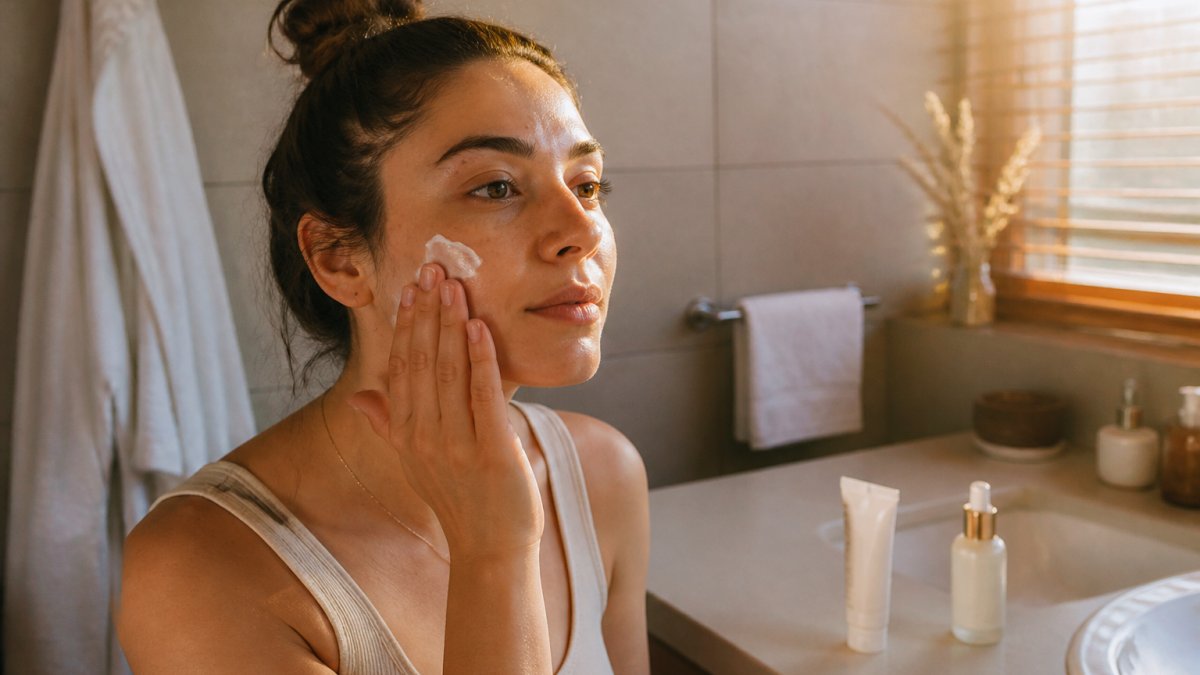
Sun protection is the single most important habit after a peel.
Risks, Skin Tone Considerations, and When to Seek Medical Advice
Every peel carries some risk, and honest providers say so. Common side effects include redness, irritation, and temporary sensitivity.
Skin tone matters. Deeper skin tones have a higher risk of hyperpigmentation after chemical exfoliation, so the acid type and strength must be chosen carefully.
Seek medical advice if you notice spreading redness, blistering, fever, or signs of infection after a peel.
Pricing, Session Planning, and Booking Your Peel
Chemical peel pricing depends on the peel type, the number of sessions, and the provider's qualifications, so ask for a clear breakdown during your consultation rather than comparing headline prices alone. A cheap peel that skips the assessment is not a bargain.
What Drives the Price
Most practices price peels along three axes:
- Peel depth and acid type. Superficial peels are the least expensive; medium TCA peels cost more; deep peels carry the highest price because they require medical supervision and closer follow-up.
- Provider type. Esthetician-performed superficial peels generally cost less than physician- or nurse-performed medium and deep peels.
- Session count. Series pricing is common, and the per-session price often drops when you commit to a plan.
Because prices vary widely by market and practice, the useful comparison is not the headline number but what each quote includes.
What a Quote Should Include
Before you book, confirm whether the quoted price covers:
- The consultation and skin assessment.
- The peel application itself.
- Neutralization and post-treatment care in the room.
- Aftercare products or a written aftercare plan.
- Any follow-up visit or check-in.
A low price that excludes the assessment or aftercare is rarely the better deal. Ask for the total cost of the recommended series, not just the first session.
Session Planning Math
A sensible plan spaces sessions weeks apart, builds in recovery time, and sets a realistic endpoint. As a general pattern:
- Superficial peels are often scheduled every two to four weeks, with a series of several sessions to build cumulative improvement.
- Medium peels are typically spaced further apart, often four to six weeks or more, to allow skin to recover between treatments.
- Deep peels are usually single treatments with a longer recovery window and are not repeated on a short schedule.
Ask your provider to map the full series on a calendar, including recovery days, so you can plan around events and travel.
Booking and Payment
When you are ready to plan, get in touch to schedule a consultation and build a session plan around your skin and your calendar. If budget is a concern, ask about flexible payment options; Coastal Aesthetics offers financing to make treatment more manageable.
Book the consultation first, then decide on the series once you understand your skin's needs and the total cost.
Frequently Asked Questions
How do I choose the right acid peel for my skin type?
There is no single best acid peel, only the right one for your skin. A provider will assess your skin type, tone, sensitivity, and concerns before recommending a formula and strength. Lighter peels with glycolic or lactic acid suit many first-timers, while salicylic acid is often used for oily or acne-prone skin. Medium-depth peels require more caution. Ask about peel depth, expected downtime, and how many sessions you will need before committing.
How long does it take to recover from a chemical peel?
Chemical peel recovery time depends on peel depth. Superficial peels often cause mild redness and light flaking for a few days, and many people return to normal routines quickly. Medium peels can involve more visible peeling and redness for about a week. Ask your provider for a realistic timeline based on the specific peel planned, and avoid scheduling a peel right before a major event.
Can chemical peels help with acne scars and uneven texture?
Chemical peels for acne scars can improve skin texture, tone, and the appearance of some scarring, but results vary by scar type and depth. Superficial peels may soften surface texture, while deeper scars often need a series of treatments or a combination approach. A consultation can clarify what is realistic for your skin. No peel can guarantee scar removal, so set expectations with your provider.
What should I ask before booking acid peels near me?
Ask who will perform the peel and what their credentials are, which acid and strength they recommend and why, how many sessions you may need, and what downtime to expect. Confirm how pricing works, including whether a consultation fee applies, and ask about aftercare and sunscreen guidance. Also mention any medications, recent procedures, or skin conditions so the provider can screen for contraindications.
Finding a provider you trust is the real challenge with acid peels, not choosing an acid name off a menu. At Coastal Aesthetics NY, our board-certified Nurse Practitioners perform personalized chemical peels with a full skin assessment, a customized treatment plan, and clear aftercare guidance built around your goals. Get started with Coastal Aesthetics NY and book a consultation to find the peel plan that fits your skin.