 How-to
Dermatologist for Chemical Peel: What to Know First
Table of Contents
- What a Chemical Peel Does and Who Should Perform It
- Dermatologist vs Esthetician Chemical Peel: Who Should Apply It
- How to Choose a Qualified Provider for Your Peel
- Chemical Peel Consultation Questions to Ask Before Booking
- Matching Peel Depth and Ingredients to Your Skin Type and Tone
- Chemical Peel Recovery Time: What the Days After Look Like
- What a Chemical Peel Costs and What Drives the Price
- Step-by-Step: From Appointment to Results
- Frequently Asked Questions
Last Updated: October 19, 2026
What a Chemical Peel Does and Who Should Perform It
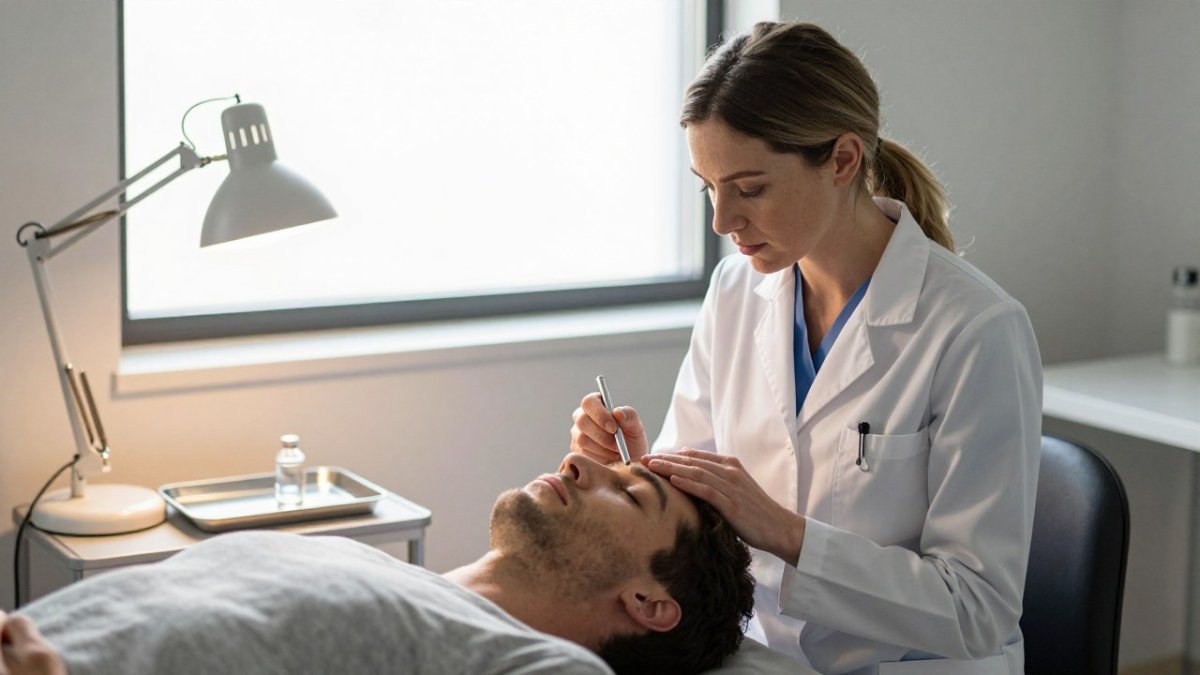
A chemical peel is a controlled exfoliation that applies a chemical solution to remove damaged outer layers and reveal smoother, more even skin.
At Coastal Aesthetics NY, we treat peels as medical procedures, not spa add-ons.
The American Academy of Dermatology's guidance on chemical peels draws a clear line between superficial peels and deeper resurfacing, and the line is about who should be applying them.
Peel Depths and What Each One Treats
Peels fall into three categories, each solving a different problem.
- Superficial peels use mild acids like glycolic, lactic, or salicylic acid to refresh the surface. They address dull complexion, mild texture, and light congestion.
- Medium-depth peels typically use trichloroacetic acid (TCA) to reach deeper layers. They target pigmentation, sun damage, and fine lines.
- Deep peels use stronger phenol-based solutions for significant wrinkles and precancerous lesions. They require careful patient selection and real downtime.
Most people expecting a "chemical peel" actually need a superficial or medium-depth option; deep peels are reserved for specific cases.
Dermatologist vs Esthetician Chemical Peel: Who Should Apply It
The provider matters as much as the peel.
Both can perform superficial peels. The difference shows up when things get complicated.
A dermatologist can diagnose underlying conditions, prescribe medication, and manage complications. If you have melasma, a history of cold sores, or skin that scars easily, that medical evaluation is not optional.
This is less a hierarchy than a matching problem. For a routine glow-up on healthy skin, a skilled licensed aesthetician is appropriate.
How to Choose a Qualified Provider for Your Peel
The keyword here is provider, not peel: the most important decision is who applies the solution. Here is a framework for choosing one.
Step 1: Verify credentials, not marketing titles
Ask directly, and expect a straight answer:
- Who will actually apply the peel? The person named should be the person in the room; vagueness is a warning sign.
- What is their license and training? A dermatologist is a physician (MD or DO) with dermatology residency training. An NP or PA may perform peels under a supervising physician depending on state scope-of-practice rules. An esthetician holds a state skin care license, not a medical license.
- Who supervises them, and how? For medium-depth or deep peels, ask whether a physician is on site or available, and who handles complications after hours.
A reputable practice answers these without hesitation. Evasiveness is the signal.
Step 2: Judge the consultation, not the menu
A provider who books you for a peel before examining your skin is selling, not treating. Proper selection starts with an in-person assessment covering:
- Your skin type and skin tone (Fitzpatrick type matters for pigment risk)
- Your history of reactions to acids, retinoids, or prior peels
- Your current skin care routine and any active ingredients
The best signal is what a provider talks you out of: a clinician who recommends gentle superficial peels over an aggressive single treatment is thinking about your skin, not the invoice.
Step 3: Ask the questions that separate clinicians from salespeople
Bring these to the consultation:
- Which peel are you recommending, at what strength, and what depth does it reach?
- What are the specific risks for my skin tone, especially post-inflammatory hyperpigmentation?
- How many sessions will I likely need, and how far apart?
If a provider cannot answer the pigmentation question with specifics, that is your answer.
Step 4: Know the red flags
Walk away if a provider:
- Offers a medium-depth TCA or phenol peel without a medical evaluation first
- Cannot name who supervises the treatment or handles complications
- Pushes the strongest peel on the menu as a default
Step 5: Check the evidence that matters
Ask to see before-and-after photos of patients with your skin tone and concern, not just the practice's best-case gallery, pigmentation results on deeper skin tones are the hardest to predict. Also ask how many peels of the recommended type the provider performs monthly; regular practice makes complications easier to recognize and manage.
At Coastal Aesthetics NY, our board-certified Nurse Practitioners Joseph Pham, NP (AGACNP-BC) and Jennifer Jones, NP (AGPCNP-BC) build every peel plan around an in-person evaluation. That is the standard to hold any provider to.
Chemical Peel Consultation Questions to Ask Before Booking
A good consultation is a two-way conversation, and you should leave with clear answers. Bring these chemical peel consultation questions with you.
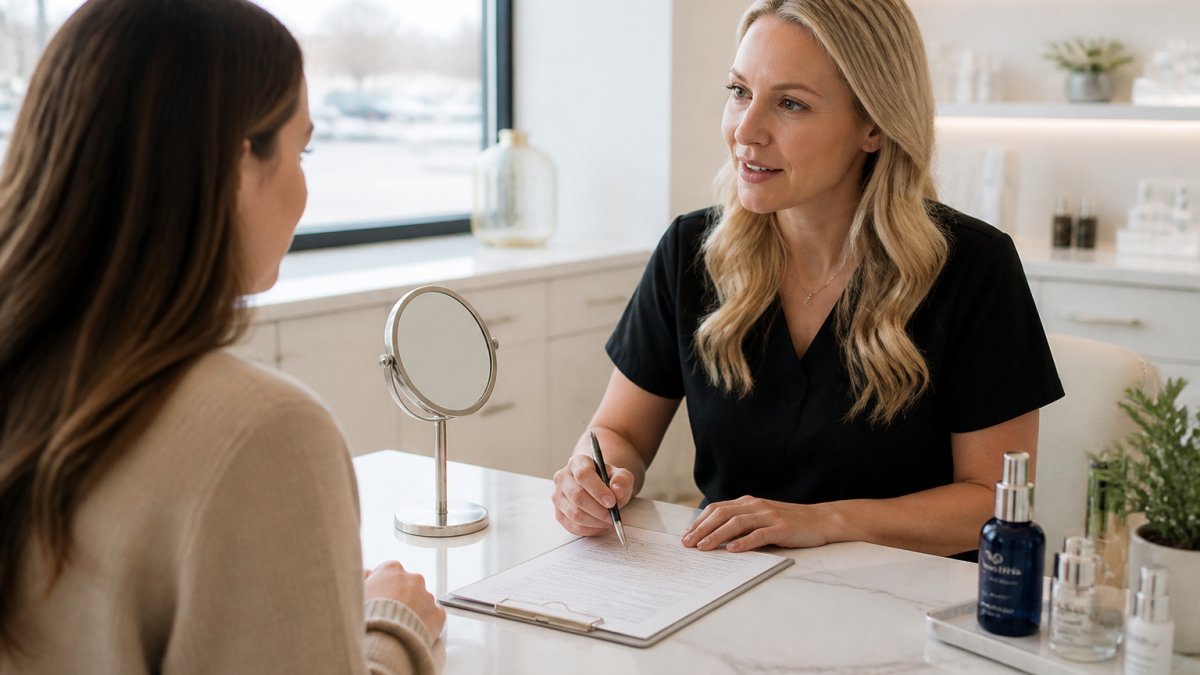
- Which peel are you recommending, and at what strength?
- What depth does that reach, and what does it treat on my skin specifically?
- What are the risks for my skin tone, especially post-inflammatory hyperpigmentation?
If a provider cannot answer the pigmentation question with specifics, that is your answer. The FDA's consumer information on cosmetic procedures is a useful backstop for understanding what counts as a medical device versus a cosmetic product.
Matching Peel Depth and Ingredients to Your Skin Type and Tone
The right peel is the one matched to your skin, not the strongest one on the menu.
For oily, acne-prone skin, salicylic acid peels cut through congestion and calm inflammation. For dry or sensitive skin, lactic acid is gentler and hydrating.
Darker skin tones need a different conversation.
| Skin Concern | Typical Peel Type | Depth | Sessions Often Needed |
|---|---|---|---|
| Dull complexion, mild texture | Glycolic or lactic acid | Superficial | Series of 3-6 |
| Acne and congestion | Salicylic acid | Superficial | Series of 3-6 |
| Sun damage, age spots | TCA | Medium | 1-3 |
| Fine lines, wrinkles | TCA | Medium | 1-3 |
| Acne scars, deeper texture | TCA (medical setting) | Medium | Varies by case |
| Significant wrinkles | Phenol | Deep | Single, with recovery |
This table is a starting point, not a prescription. Your skin assessment decides the final plan.
Chemical Peel Recovery Time: What the Days After Look Like
Chemical peel recovery time depends almost entirely on depth, but the day-by-day pattern is predictable enough to plan around.
Superficial peels (glycolic, lactic, salicylic)
- Day 0 (treatment day): Mild redness, tightness, and slight stinging that fades within hours. Most people return to normal activities immediately, though makeup may sit unevenly.
- Day 1: Skin feels tight and looks slightly flushed. Light flaking may begin around the nose and mouth.
- Days 2-3: Visible flaking and light peeling, especially in areas of congestion. Resist picking; let the skin slough on its own.
A series of superficial peels is typically spaced two to four weeks apart, so the recovery window fits between sessions.
Medium-depth peels (TCA)
- Day 0: More pronounced redness and warmth. The skin may look frosted or whitened immediately after application, fading over minutes to hours.
- Days 1-2: Significant tightness and swelling, especially around the eyes if treated. Peeling usually has not started yet.
- Days 3-5: Visible sheet-like peeling begins, often around the mouth and nose. Redness is more intense than with a superficial peel.
Deep peels (phenol)
Deep peels require substantially longer recovery and should be planned around your schedule. Expect significant redness, swelling, and peeling lasting two weeks or more, with redness persisting for weeks to months. They are reserved for specific cases with careful patient selection and follow-up.
The rules that apply to every depth
The first 48 hours are the telling window: expect tightness and warmth. Peeling usually starts around day two or three for superficial peels and later for medium-depth ones.
Sun protection is not optional during recovery. Freshly peeled skin is highly UV-sensitive, and unprotected sun can undo results and trigger new pigmentation. A broad-spectrum sunscreen and wide-brimmed hat are essential for weeks after treatment.
When to call your provider
Contact the practice if you notice spreading redness, increasing pain, blistering, fever, or signs of infection. These are uncommon but should be addressed promptly. A provider who gives you a clear after-hours contact and follow-up plan is doing the job right.
What a Chemical Peel Costs and What Drives the Price
Chemical peel pricing varies widely, and the variation is not random. Several factors drive it.
- Peel depth and type: Superficial peels cost less than medium-depth TCA peels, which cost less than deep phenol peels.
- Provider credentials: A dermatologist-performed peel typically costs more than one done by an esthetician.
- Number of sessions: Many concerns require a series, so the per-session price is only part of the total.
Because pricing depends on the peel, provider, and treatment plan, we do not quote a single figure. A proper quote comes after your consultation, once the plan is set.
Insurance generally does not cover cosmetic peels. If a peel is performed for a medical reason, such as precancerous lesions, coverage may differ, but that is a question for your provider and insurer.
Step-by-Step: From Appointment to Results
Here is the full process, start to finish.
- Book a consultation. Your skin gets assessed and a plan gets built.
- Prep your skin. Your provider may ask you to pause retinoids or acids and start a priming routine before treatment.
- Treatment day. The skin is cleansed, the solution is applied for a set number of minutes, and the peel is neutralized or self-neutralizes depending on type.
- Immediate aftercare. Expect redness and tightness. Follow aftercare instructions precisely.
- Peeling phase. Flaking and peeling begin within days. Moisturize and protect.
- Follow-up. Your provider checks healing and schedules the next session if a series is planned.
- Results. Texture and tone improve as healing completes, building over a series of treatments.
Treatment count varies by concern and depth: a series of superficial peels spaced a few weeks apart is common for texture and tone, while a single medium-depth peel may suit sun damage.
Choosing a provider for a chemical peel is a decision about trust and credentials. If you are weighing options in Nassau County, Coastal Aesthetics NY offers a Nurse Practitioner-led approach with individualized treatment plans, medical-grade skin assessment, and a focus on natural-looking results rather than aggressive over-treatment.
Frequently Asked Questions
Is it better to see a dermatologist or an esthetician for a chemical peel?
It depends on peel depth. Superficial peels using mild acids are commonly applied by licensed aestheticians working under medical supervision. Medium and deep peels reach lower skin layers, carry higher risks of scarring and pigment change, and require a clinician trained to assess your skin and manage complications. If you have acne scarring, sun damage, or a darker skin tone, start with a dermatologist or a nurse practitioner-led medical practice so your skin is evaluated before any chemical solution is applied.
What should I ask before getting a chemical peel?
Ask which chemical solution and strength will be used and why it fits your concern. Ask who performs the peel and what their credentials and supervision are. Ask how many treatment sessions you likely need, what recovery time to expect, and what side effects to watch for. Also ask how they handle darker skin tones and post-inflammatory hyperpigmentation, and whether they will review your medications and skincare routine first. A provider who answers these clearly is a good sign.
How long is chemical peel recovery time?
Superficial peels usually cause mild redness and light flaking for about two to five days, and most people return to normal activity the same day. Medium-depth peels typically involve more visible peeling and redness lasting roughly five to ten days. Deep peels need longer, sometimes two weeks or more, and carry more risk. Your actual recovery depends on the peel strength, your skin type, and how closely you follow aftercare instructions.
How much does a chemical peel cost?
Pricing depends on the peel type, the strength of the chemical solution, the provider's credentials, and how many sessions your treatment plan includes. Light peels generally cost less than medium or deep peels, and a series of sessions adds up. Insurance typically does not cover cosmetic peels, though a peel done for a medical condition may be handled differently. Ask your provider for a written quote that covers the consultation and each session.