 How-to
PRP Facial Side Effects: What to Expect and When to Worry
Last Updated: October 23, 2026
Quick Summary
PRP facial side effects are usually mild and short-lived, most commonly redness, swelling, and tenderness at the treatment area. Redness typically lasts 24 to 72 hours, and swelling usually peaks within 24 hours and settles over two to three days. These reactions come from the needle delivery, not the plasma itself.
- Pinpoint bleeding at needle sites is normal and stops within minutes.
- Small bruises near the eyes or temples fade on their own within a week.
- Skip retinoids, acids, and exfoliants for 72 hours after treatment.
- Avoid saunas, hot yoga, and heavy workouts for 24 hours.
- Contact your provider if redness persists past a week or swelling worsens after day three.
Table of Contents
- What a PRP Facial Does and Why Side Effects Happen
- Common PRP Facial Side Effects, Symptom by Symptom
- How Long Does PRP Facial Redness Last?
- Day-by-Day PRP Facial Recovery Timeline
- PRP Facial Aftercare: What to Do in the First 72 Hours
- PRP Microneedling Risks: Rare Complications and Who Should Postpone
- When to Call Your Provider or Seek Urgent Care
- Conclusion
- Frequently Asked Questions
What a PRP Facial Does and Why Side Effects Happen
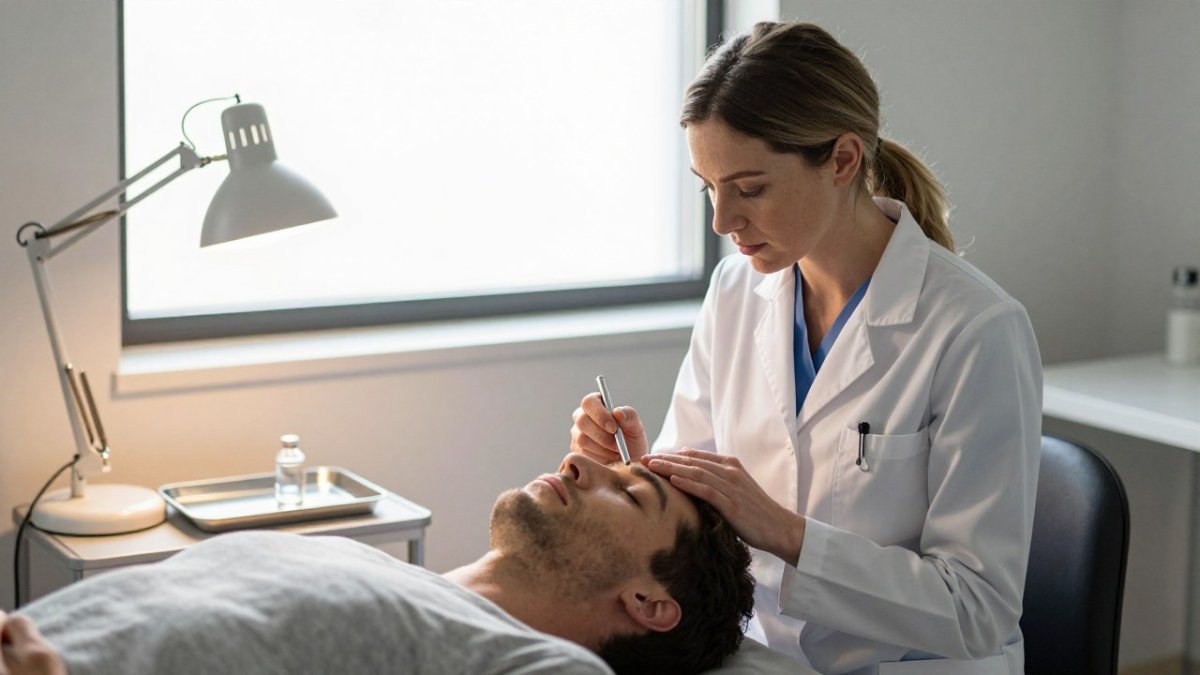
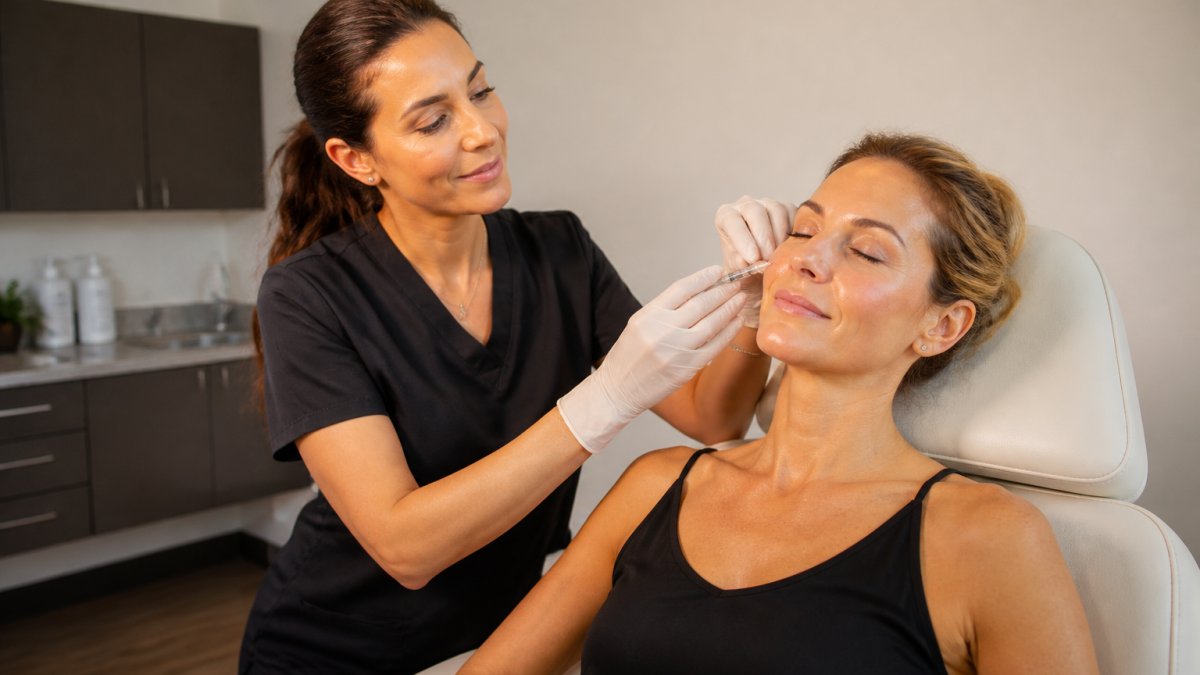
A PRP facial is a skin rejuvenation treatment that uses your own blood components to support collagen production and improve skin texture. Because the plasma comes from your own body, an allergic reaction is unlikely. Most side effects come from the delivery itself, not the plasma.
That distinction matters. The needle creates tiny channels in the skin. Your body responds with inflammation, which is part of the healing process that drives results. Redness, swelling, and tenderness are the expected cost of that response.
Common PRP Facial Side Effects, Symptom by Symptom
Most people experience mild, short-lived reactions after a PRP facial. The most frequent complaints are redness, swelling, and discomfort at the treatment area. These are normal signs that your skin is healing, not warning signs of a problem.
Here is what to expect:
- Redness that looks like a mild sunburn
- Swelling, especially around the cheeks and under the eyes
- Tenderness when you touch the treatment area
- Small bruises at injection sites
- Pinpoint bleeding that stops within minutes
- A tight, warm feeling for the first day
Redness, Swelling, and That Sunburn-Like Feeling
Redness and swelling are the most common PRP facial side effects. Your skin looks flushed and feels warm, similar to a sunburn. Swelling usually peaks within 24 hours and settles over two to three days. Cool compresses help. Avoid heat, alcohol, and intense exercise for the first day.
Pain, Bruising, and Pinpoint Bleeding
Discomfort during and after treatment is mild for most people. Pinpoint bleeding at needle sites is normal and stops quickly. Small bruises can appear where injections were placed, particularly near the eyes or temples. They fade on their own within a week.
How Long Does PRP Facial Redness Last?
PRP facial redness typically lasts 24 to 72 hours. It fades fastest with microneedling alone and may linger a little longer when injections are added. By day three, most people can cover any remaining flush with light makeup. If redness persists past a week or worsens, contact your provider.
Day-by-Day PRP Facial Recovery Timeline
Recovery follows a fairly predictable path, but the details depend on how the plasma was delivered. Microneedling alone tends to produce more surface redness and light flaking; fine injections tend to produce more pinpoint bruising and localized swelling. Combination treatments stack both patterns. Here is the timeline most practitioners walk patients through, with the hour-level detail that matters in the first day.
| Timeframe | What You'll Notice | What to Do |
|---|---|---|
| First 1-3 hours | Warmth, tightness, uniform flush; pinpoint bleeding at needle sites stops within minutes | Keep skin bare; no makeup, no touching; cool compress if comfortable |
| Hours 3-24 | Redness deepens to a sunburn look; swelling begins, often around cheeks and under eyes; injection sites may show small bruises | Sleep with head slightly elevated; avoid heat, alcohol, and intense exercise |
| Day 2 | Swelling typically peaks; skin feels tight and warm; bruising darkens | Gentle fragrance-free cleanser, plain moisturizer, broad-spectrum sunscreen |
| Day 3 | Redness fades; light flaking or peeling may start, especially after microneedling | Resume light activity and light makeup; do not pick or exfoliate |
| Days 4-7 | Flaking resolves; minor bruises fade from purple to yellow-green; skin looks brighter | Normal routine with daily sun protection |
| Week 2 onward | Gradual texture and tone improvement; any residual bruising gone | Continue aftercare and plan follow-up as directed |
A few practical notes that the table cannot capture:
- Redness duration by method. With microneedling alone, most practitioners find redness settles in 24 to 72 hours. With injections added, surface redness may clear faster but pinpoint bruises can linger up to a week. Combination treatments often follow the slower of the two paths.
- Swelling pattern. Swelling is usually worst in the first 24 to 48 hours and is more pronounced under the eyes and along the cheeks. Sleeping elevated the first night reduces morning puffiness.
- Flaking versus peeling. Light flaking after microneedling is expected and should not be scrubbed. Peeling that is deep, painful, or accompanied by spreading redness is not normal and warrants a call to your provider.
- Bruising. Small bruises at injection sites are common near the eyes and temples. They fade on their own; arnica or cold compresses may help comfort but do not speed resolution reliably.
If redness persists past a week, swelling worsens after day three, or you develop fever, pus, or spreading warmth, contact your provider rather than waiting out the timeline.
PRP Facial Aftercare: What to Do in the First 72 Hours
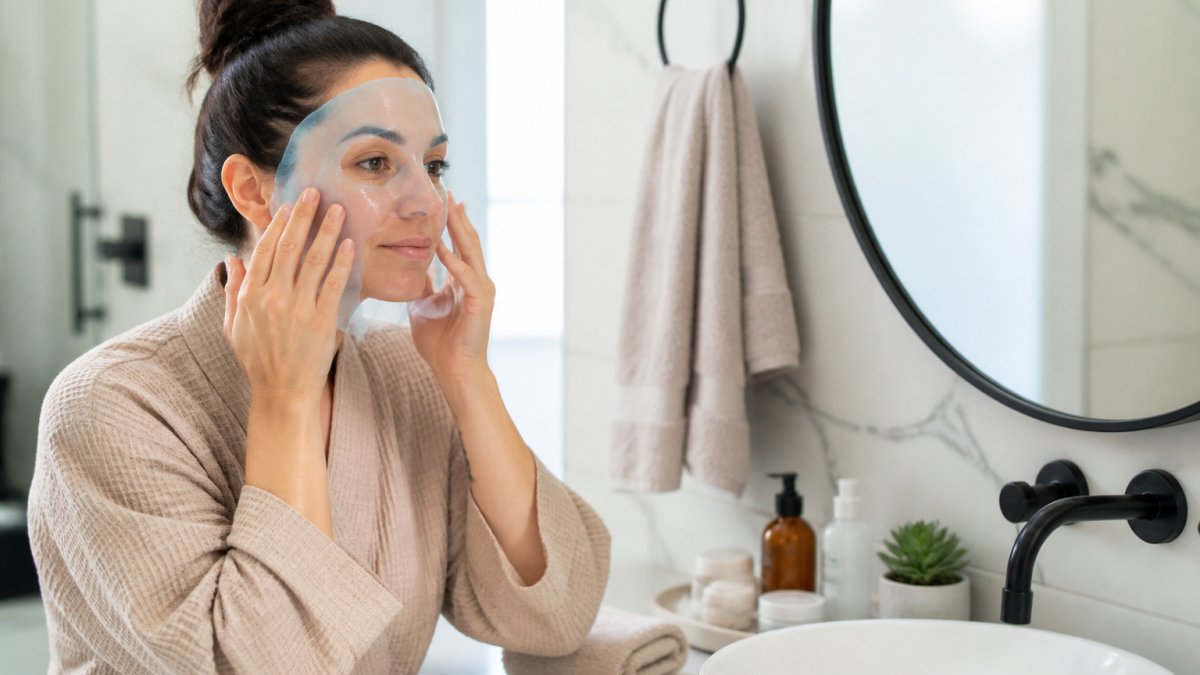
Good PRP facial aftercare protects your results and lowers the chance of complications. Keep the routine simple and gentle for the first three days.
- Wash with a mild, fragrance-free cleanser
- Skip retinoids, acids, and exfoliants for 72 hours
- Apply a plain moisturizer twice daily
- Use broad-spectrum sunscreen every morning
- Avoid saunas, hot yoga, and heavy workouts for 24 hours
- Do not pick at scabs or flaking skin
PRP Microneedling Risks: Rare Complications and Who Should Postpone
Serious complications are uncommon, but they exist, and the risk profile differs by delivery method. Understanding why each risk happens helps you separate a normal healing response from something that needs attention.
Method-specific risk differences
- Microneedling delivery. The main risks are surface-level: prolonged redness, light flaking, post-inflammatory pigmentation changes (especially in darker skin tones), and acne flare-ups from temporary occlusion of pores. Because the plasma is your own, allergic reaction is unlikely; reactions are driven by the needle trauma and the inflammatory response.
- Injection delivery. Fine needles reach deeper and can produce pinpoint bruising, localized swelling, and rarely small nodules at injection sites. Bruising is more common near the eyes and temples. Vascular occlusion is extremely rare with PRP because the material is autologous and not a filler, but any injectable carries a small risk of unintended placement.
- Combination treatments. Stacking microneedling and injections combines both risk patterns: more surface redness plus more bruising, and a slightly longer recovery.
Rare complications and what they look like
- Infection. Redness that spreads, warmth that increases after day three, pus, or fever suggests infection rather than normal inflammation. This is uncommon with proper technique and aftercare but is the most important complication to catch early.
- Pigmentation changes. Post-inflammatory hyperpigmentation is more common in people with darker skin tones or a history of melasma. It usually fades over weeks to months but can persist.
- Nodules and granulomas. Small firm bumps at injection sites have been reported rarely. Most resolve, but persistent nodules should be evaluated.
- Acne flare-ups. Temporary occlusion and inflammation can trigger flares in acne-prone skin.
- Temporary hair shedding. Reported when PRP is used near the hairline; usually temporary.
- Scarring. Keloid or hypertrophic scarring is a risk mainly for people with a personal or family history of keloids.
Evidence context
Clinical studies support PRP as generally well tolerated, with most adverse events being mild and temporary, redness, swelling, and bruising. What the evidence does not establish is precise frequency for rare events; reports are largely from case series and provider experience rather than large controlled trials. That means the best guide to your personal risk is a careful history and a qualified clinician, not a single statistic.
Who should postpone or reconsider
- Active acne, eczema, or skin infection in the treatment area
- A bleeding disorder or use of blood thinners
- Pregnancy or breastfeeding
- A history of keloid scarring
- Recent isotretinoin use
- Active skin cancer or suspicious lesions in the treatment area
- Uncontrolled chronic conditions that affect healing
If you are unsure whether you are a candidate, ask during a consultation. A qualified clinician should review your history, medications, and skin before recommending any treatment.
When to Call Your Provider or Seek Urgent Care
Most reactions settle on their own. Some symptoms need a call. Contact your provider if you notice spreading redness, increasing pain after day three, fever, pus, or a rash that keeps growing. Seek urgent care for facial swelling that affects breathing or vision, or for signs of a severe allergic reaction such as hives with dizziness. These are rare, but they are not things to wait out.
Conclusion
PRP facial side effects are usually mild and short-lived, but knowing what is normal and what is not makes recovery far less stressful. A provider who explains the timeline, checks your history, and gives you clear aftercare instructions is worth choosing carefully. At Coastal Aesthetics NY, our board-certified Nurse Practitioners build personalized treatment plans and walk you through every step, from consultation to follow-up. Book your consultation and get answers specific to your skin.
Frequently Asked Questions
What side effects are normal after a PRP facial?
Normal reactions include redness, mild swelling, warmth or a sunburn-like feeling, tenderness, and pinpoint bleeding at injection or microneedling sites. Some people also notice bruising or slight tingling. These typically peak within the first 24 to 48 hours and settle over several days. Because PRP uses your own blood, allergic reaction risk is low, but any treatment that breaks the skin carries some risk of infection or irritation. Your provider should give you a written list of expected symptoms so you can tell normal healing from something that needs a call.
How long does PRP facial redness last?
Most redness fades within 24 to 72 hours, though it can linger up to about a week depending on your skin tone, the depth of treatment, and whether microneedling or injections were used. Deeper microneedling passes and higher-energy settings tend to produce longer-lasting flushing. Cool compresses, gentle cleansing, and strict sun protection help speed resolution. If redness is worsening after day three, feels hot to the touch, or comes with spreading swelling, contact your provider rather than waiting it out.
Can a PRP facial cause an infection or scarring?
Infection is uncommon but possible because PRP facials create small openings in the skin. Signs include increasing pain, spreading redness, warmth, pus, or fever, which warrant prompt medical attention. Scarring is rare and more often linked to picking at scabs, untreated infection, or a history of keloids. Proper PRP facial aftercare, including clean hands, avoiding makeup for the first day, and skipping harsh actives, lowers these risks. Tell your provider about keloid history or active skin infections before treatment so they can adjust the plan.
When should I contact my provider after a PRP facial?
Call your provider if you have pain or swelling that gets worse after 48 hours instead of better, redness that spreads, warmth at the treatment area, pus, fever, or a rash beyond the treated zones. Also reach out if you notice dark or patchy pigmentation changes, firm nodules, or unusual hair shedding weeks later. Mild bruising and tenderness are expected, but worsening symptoms are not.